




How to Write an Anti-Hero Readers Still Root For
Anti-heroes work when readers understand the pressure behind the bad behaviour. A practical guide to sympathy, moral codes, consequence and the questions that test an...
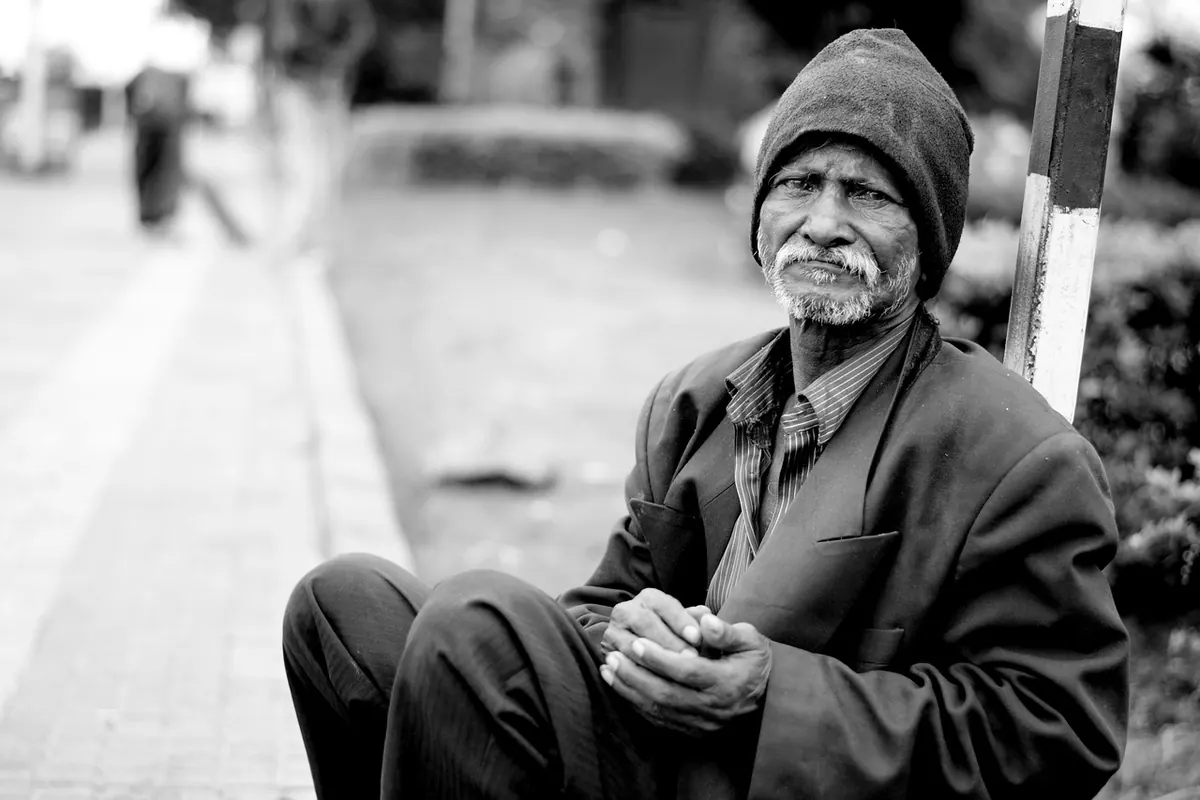
Anti-heroes ask the reader to do two contradictory things at once: judge and care. Do it badly and you have written someone merely unpleasant, a person watched from a safe distance across the page. Do it well and you have written someone whose worst choices feel, for a few chapters, like the only ones available.
The difference is rarely charm. It is engineering. Sympathy is a load-bearing structure, built in specific scenes, tested by specific consequences, and it collapses if you skip a beam.
Sympathy Is Not Approval
Readers do not need to like your protagonist. They need to understand the pressure the character is under, and to recognise the wanting, if not the doing. Those are separate jobs, and they need separate scenes.
Three levers do most of the work:
- Competence. Let the reader see the character be good at something before they do something bad. Skill buys credit.
- Injustice. Show the world cheating them in a scene the reader witnesses firsthand. Not later, in summary. On the page, where the unfairness stings.
- Vulnerability. Give them one thing they cannot afford to lose, and one moment where they are almost certain to lose it.
What kills sympathy fastest is cruelty towards someone weaker, with no context and no cost. If your anti-hero kicks a dog in chapter one, the reader has no reason to keep going. If they kick a dog and the dog belongs to the man who ruined them, and they flinch at themselves afterwards, you are writing a different book.
Give Them a Code, Even a Bad One
A moral code is not the same as morality. It is a set of limits, and limits do two useful things: they make the character predictable, which allows the reader to trust them, and they generate plot, because the story arrives the moment the code collides with the want.
A thief who never takes from anyone who cannot afford the loss. A fixer who keeps every promise, even the monstrous ones. A woman who will lie to anyone except her sister. Codes should be demonstrated through action; a character who announces their own rules in dialogue sounds like a writer explaining the plot.
Once the code exists, you have an engine. Decide the precise circumstances under which they break it. That scene is usually your climax.
Make the Want Concrete
Vague wants produce vague sympathy. "Respect" is difficult to dramatise. A sum of money with a deadline, custody of a child, a contract that keeps the lights on — those carry weight because the reader can picture failing.
State the want early, keep it in sight, and let the reader understand what happens if the character fails. Justification and excuse are different things, and readers can smell the difference. A hard childhood explains behaviour; it does not license it. The moment a character uses their past as a receipt, sympathy drops.
Let the World Push First
Anti-heroes work best as underdogs. If they operate in a world that is fair and functioning, their transgressions look like appetite. If the police are indifferent, the manager is protected, and the complaints process has already failed them twice on the page, the transgression looks like the next inevitable step.
That means you need a genuinely formidable opposing force — strong enough that the reader can see why ordinary decency would not work. The reader's anger should be shared with the character before the character acts badly. Anger first, bad act second. In that order, the reader is complicit. In the reverse order, the reader is only a witness.
Consequence Is the Price of the Ticket
Nothing corrodes sympathy faster than a character who acts badly and floats. Keep a ledger as you draft: what has this person done, who knows, and who has been hurt. Consequences should be specific, and should cost something that cannot be replaced — a friendship, a place to sleep, a child's trust.
Two kinds matter. External consequences come from the world: law, rivals, reputation. Internal ones come from the character: the way they lie now to people they used to be honest with, the small flinch when someone says their name kindly. Show harm to one named person rather than to a crowd.
Be careful with forgiveness. A late apology does not cancel three hundred pages of harm, and readers remember what a character has done longer than the writer hopes. If you want redemption, earn it slowly, in scenes, with the person who was hurt present and unimpressed.
Seven Questions to Test Your Anti-Hero
- Whose suffering, other than their own, has the reader seen up close?
- What is the one line they will not cross, and what would make them cross it?
- What do they do when no one is watching — and has the reader seen it?
- Who loves them, and can you write the scene that shows why?
- What does their worst act cost them on an ordinary Tuesday, not just at the finale?
- If they got exactly what they wanted in chapter three, would the reader be pleased or disappointed?
- Can you name the moment the reader is meant to forgive them, and would you forgive it?
Answer these in one sentence each, on paper. Hesitation on question three or five usually means the character is being protected by the writing, and protection is what makes a protagonist feel hollow.
A Practical Revision Pass
When the draft is done, read only the scenes your anti-hero appears in, in order, and mark every selfish act with a note about what the reader knows at that exact point. If the note says "nothing", either plant context earlier or accept that the moment will lose people.
Then write the scene you will never publish: the one decent thing they did and told nobody about. You will almost certainly cut it, but knowing it will change how you write them from that point on, and readers feel the difference even without seeing the page.
Finally, keep both truths in view. An anti-hero is a character who is more than their worst act, and entirely responsible for it. Hold those two ideas inside the same scene and readers will keep turning pages, hoping they are right about them and afraid they are not.
Photo: iamharsha_ / Pixabay